
Factory · Meda, Lombardy · since 1967
Zanaboni
Complete interiors in three lines, classical, contemporary classical and modern: upholstered and case furniture, tables, beds, lighting, mirrors and rugs.
Request a selectionAbout the factory
Zanaboni is a factory from Meda in Lombardy, the heart of furniture-making Brianza. Since 1967 it has made not individual pieces but complete interiors: living rooms, dining rooms, bedrooms and studies in which the sofa, table, lighting and rug are conceived together.
All production is by hand. Frames, carving, upholstery, lacquering and gilding are carried out in the factory's own workshops, while fabrics, fittings and decorative elements are developed specially for it. That is why Zanaboni pieces are recognisable: by their proportions, by the firm seat of the upholstered furniture, by the look of the veneer and the way the fabric falls.
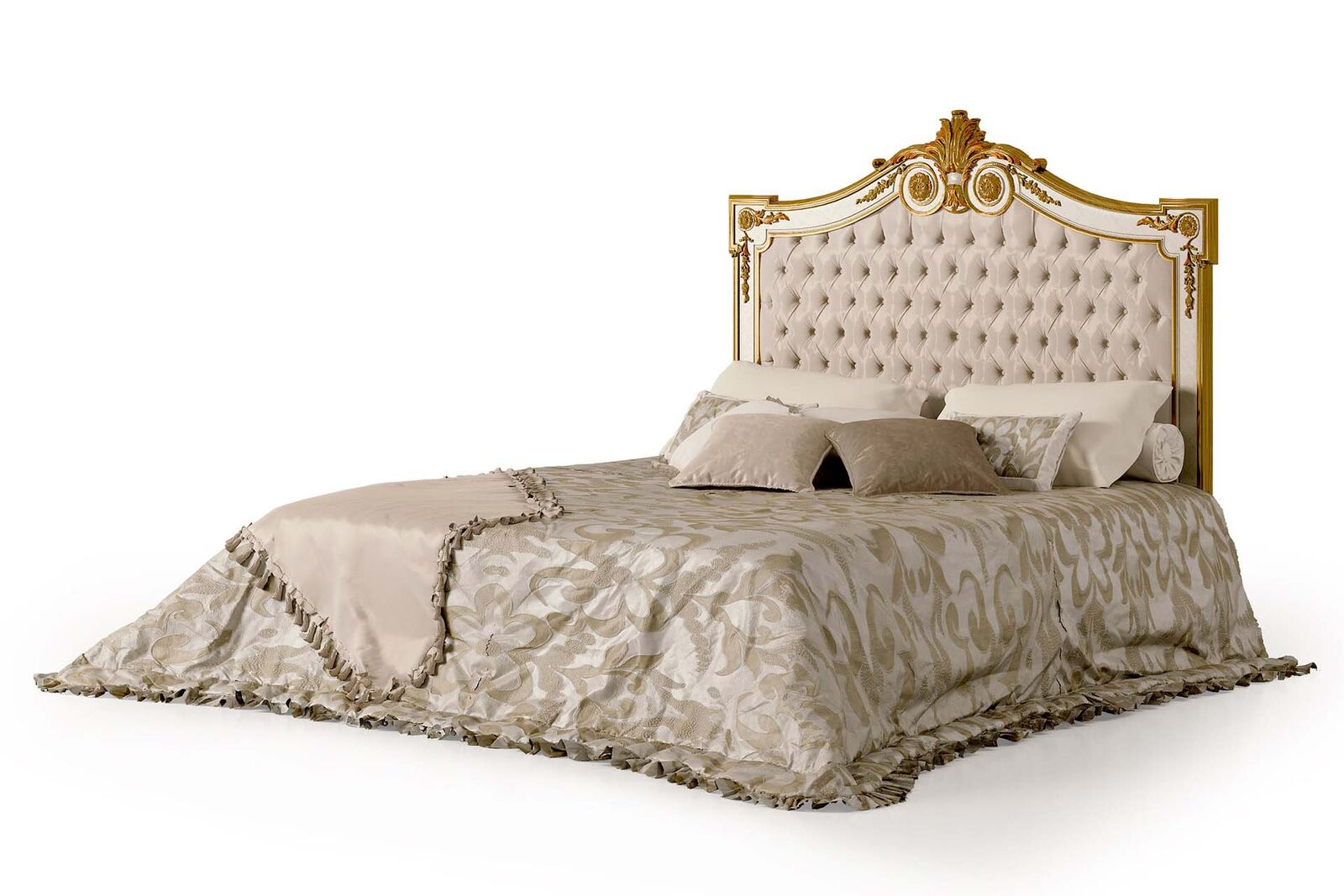
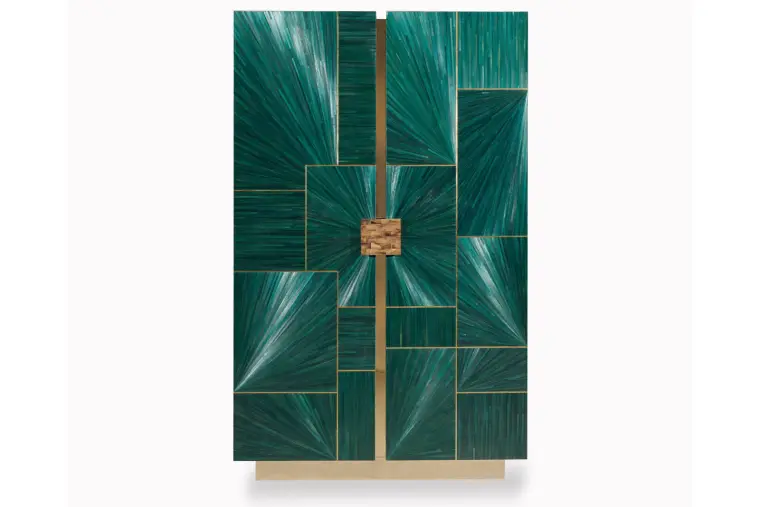
The catalogue is divided into three lines. Classic is classicism with carving, capitonné and gilded details. Contemporary is contemporary classicism: the same proportions, but clean forms, lacquer, metal and glass. Edizioni is modern, with expressive geometry and fine materials. Besides the standard models, the factory makes individual versions to size, material and finish.
Beyond private houses, Zanaboni furnishes hotels, showrooms, restaurants and yachts around the world. This is a good sign for us: the factory knows how to sustain a series, timings and a consistent level of quality across a large project.
- Founded
- 1967, Meda (Lombardy)
- Production
- By hand, in its own workshops
- Lines
- Classic · Contemporary · Edizioni
- Range
- Upholstered and case furniture, tables, beds, lighting, mirrors, rugs
- Individual
- Size, materials, finish to the project
- Projects
- Private houses, hotels, yachts, restaurants
Collections
Collections by Zanaboni
Studio’s pick
Pieces to start with
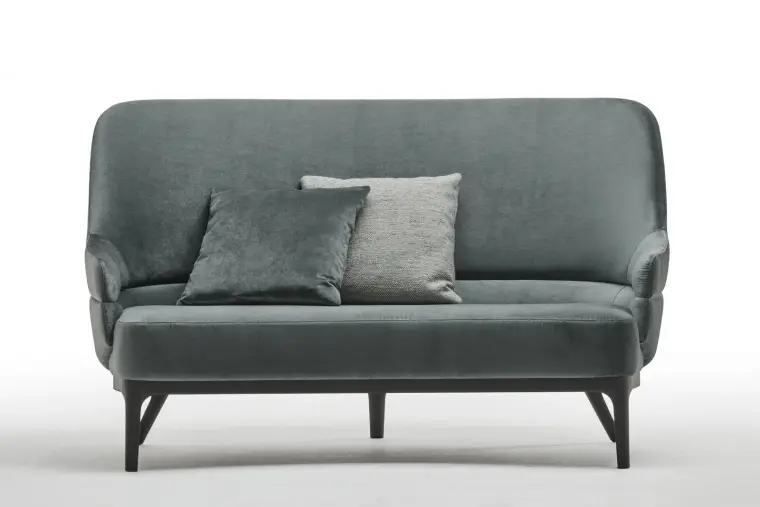
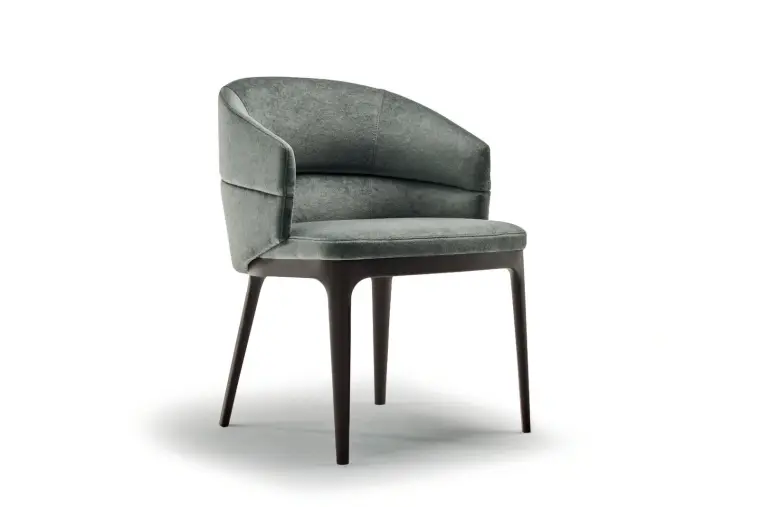
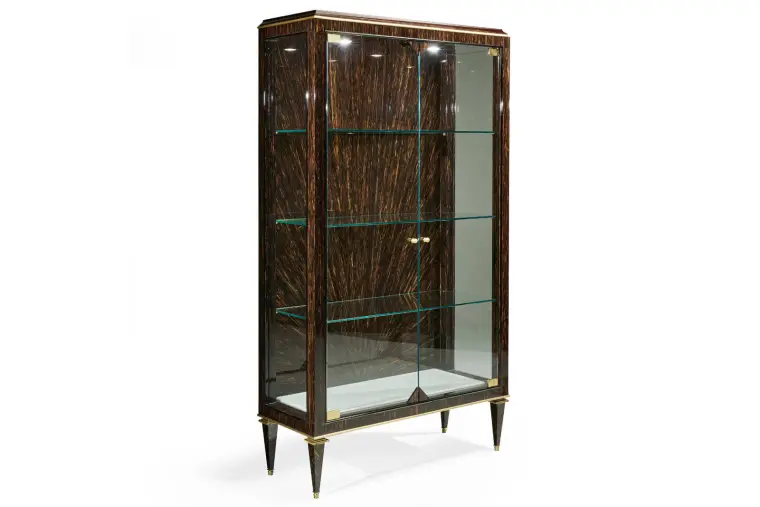
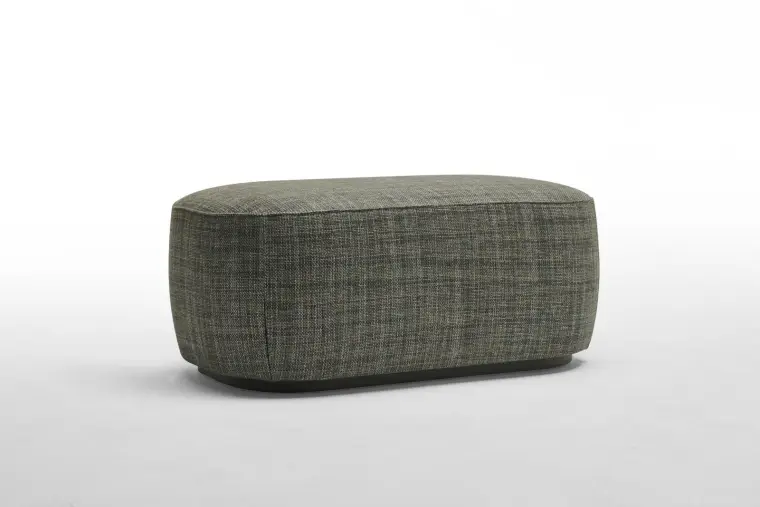
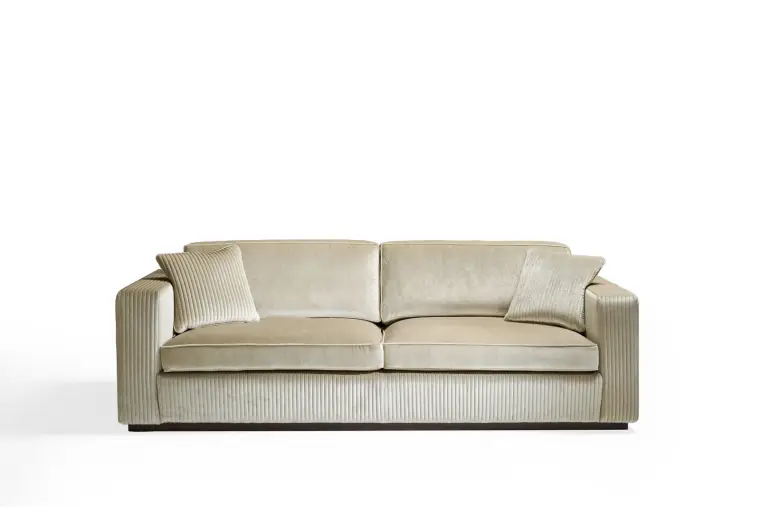
Why through the studio
Selected by the studio
Out of hundreds of Italian factories we work with a few whose quality we have seen in our own houses. You do not compare — you choose.
Studio terms
Direct factory conditions instead of showroom retail. The saving on furnishing often covers the interior project.
One responsibility
Specification, order, factory control, delivery, customs and assembly on site — the studio, not you.
Zanaboni furniture in the studio's projects
Zanaboni is an Italian furniture factory from Meda in Lombardy, active since 1967. Its catalogue includes more than three hundred pieces: sofas and armchairs, dining and coffee tables, consoles, chairs, chests of drawers and bedside tables, storage systems, beds, writing desks, lighting, mirrors and rugs, in three lines: Classic, Contemporary and Edizioni.
We present Zanaboni where a coherent interior is needed: the factory makes matching sets for the living room, dining room and bedroom, which saves months of selection. Every piece here comes with the factory's photographs, a description, and materials and finish options; dimensions and fabrics are confirmed for the project, because almost everything is made to order.
Ordering through the studio means factory terms, a specification for the project, supervision of production in Italy, and delivery and assembly on site under a single responsibility. Choose a line or a type of piece and request a selection: an architect will prepare the specification and state the terms.
Q&A
Can a piece be ordered in another size or fabric?
Yes. Zanaboni makes individual versions to size, materials and finish; the fabrics and fittings are the factory's own development. We select the options for the project.
How do Classic, Contemporary and Edizioni differ?
Classic is classicism with carving and gilding; Contemporary is contemporary classicism with clean forms; Edizioni is modern, with expressive geometry and fine materials.
How long is the wait for delivery?
Typically 12 to 16 weeks for production, plus delivery from Italy. For a whole house we agree the timings in a schedule.
Selection & supply
We will select Zanaboni for your house
Tell us about the house and the task — the architect will assemble a specification from the factories’ collections and name the studio terms.