
Classical House is More Comfortable Than Modern. And Here’s Why.

When we talk about a house, it’s important to remember: it’s not an exhibition or a picture from a magazine. A house is a living environment, a space where a person spends every day of their life. That’s precisely why architecture should be not only beautiful, but comfortable.
House as a Living Environment
A person feels relaxed and calm only where the space is familiar to them. In classical houses this familiar hierarchy is built in over centuries. There’s a clear separation of rooms: an entryway you enter into, a spacious hall, a dining room separated from the kitchen, a living room with beautiful space and other functional rooms. All of this is not accidental, but the result of centuries of architectural practice.
A classical house is a traditional environment verified by time. It creates a feeling of coziness and security, because it’s familiar on the psychological level.
Where is Comfort and Where is Fatigue
Not every space can be called comfortable. Sometimes architecture tries to create an effect — large open halls, podiums, complex level changes. Yes, this can be interesting in a hotel or public building. But in a house such solutions quickly tire.
In a living space, a person needs both open zones and more intimate, secluded rooms. They need balance. That’s precisely why house architecture shouldn’t copy techniques from public spaces — it should create a comfortable environment for everyday life.
Scale and Light
Comfort is formed through scale as well. Yes, today we make higher ceilings than before, but they shouldn’t be exaggerated. A large living room needs space and light, but in a child’s room or bedroom, ceilings that are too high and excessive glazing will interfere with a feeling of coziness.
The same applies to light: it should be sufficient, but different in each room. In the living room — maximum natural lighting, while in a child’s room or study — more intimacy and protection from excessive openness.
Visual Environment
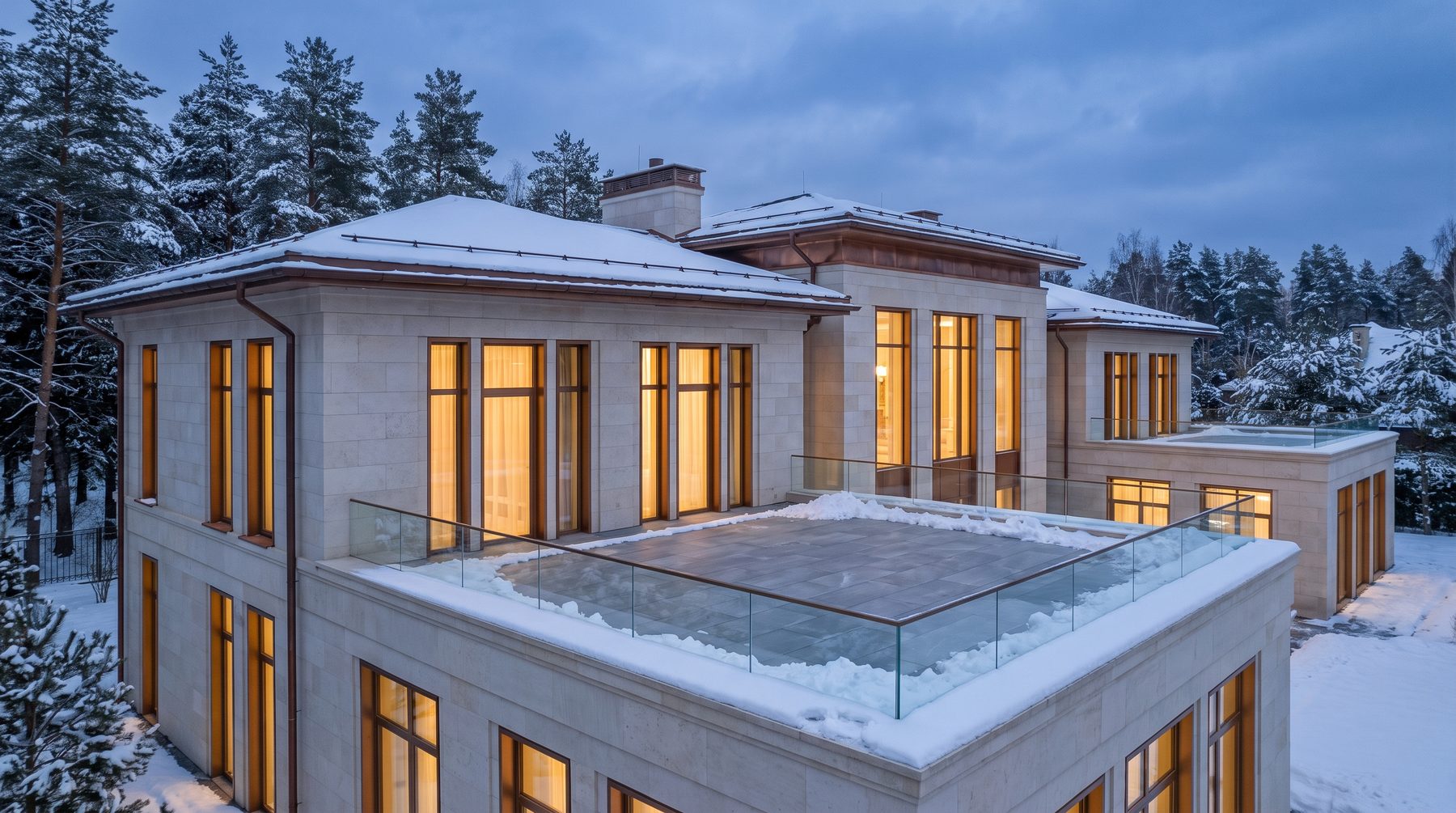
Another important factor is visual complexity. It’s uncomfortable for a person to live in a “white box” without details and variety. Our eyesight and psyche require a certain degree of complexity and even slight randomness. That’s precisely why we like nature: it always has variety of forms, textures and shades.
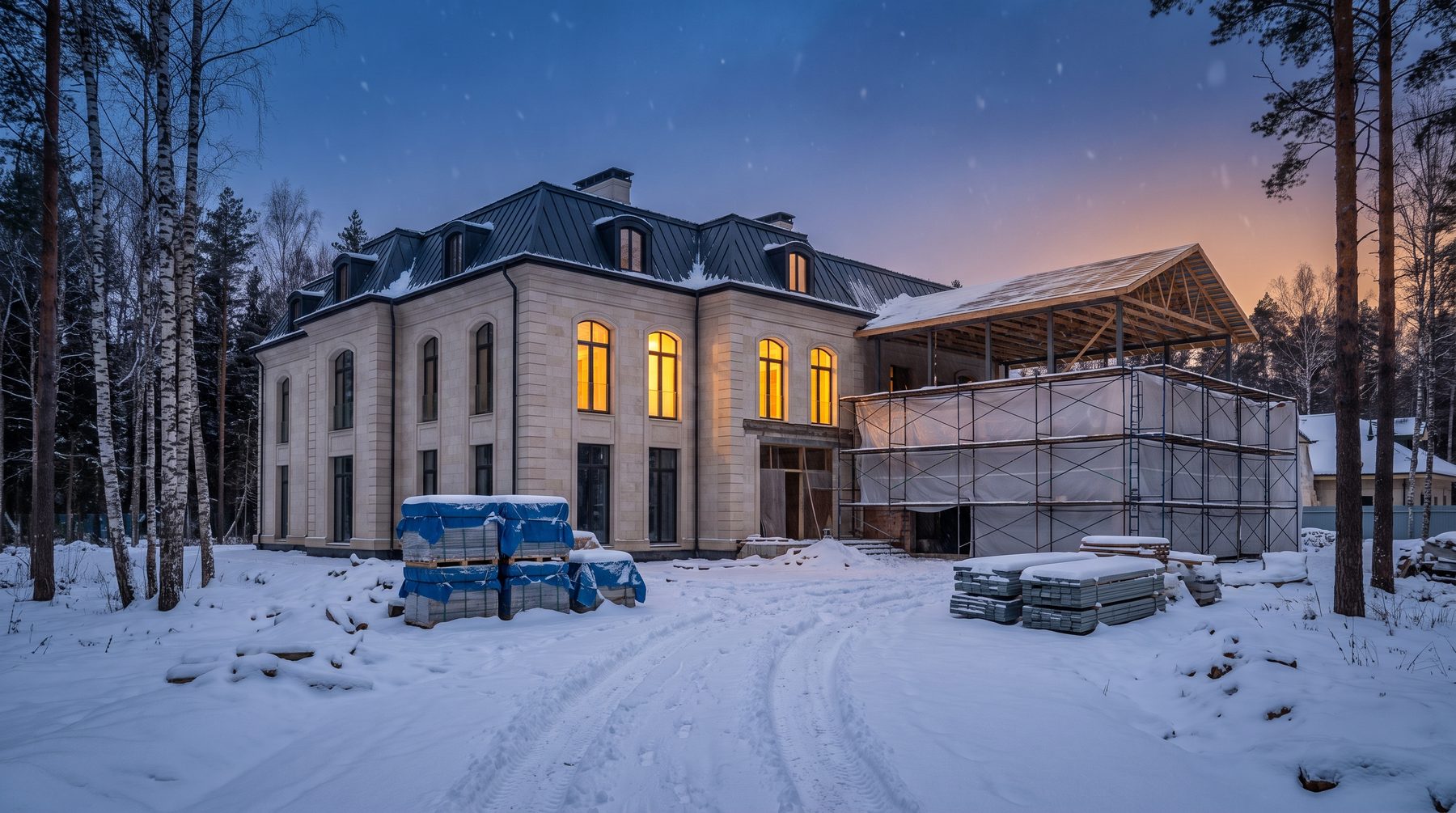
Classical architecture takes this into account. It gives a person precisely that kind of environment, where there’s both harmony and visual richness that doesn’t tire you to live in for years.
Conclusion
Comfort in a house — this is not a trendy sofa or a designer table. It’s a familiar hierarchy of spaces, harmonious scale, proper light and a visual environment that supports human psychology.
That’s precisely why a classical house is more comfortable than a modern one. It creates an environment where you can not only live, but feel at home — every day, for many years in a row.

Author

Next step
Discuss your project
An hour at the studio with Oleg Reznikov: your site, your brief and relevant studio projects.